Diasporic Worldings
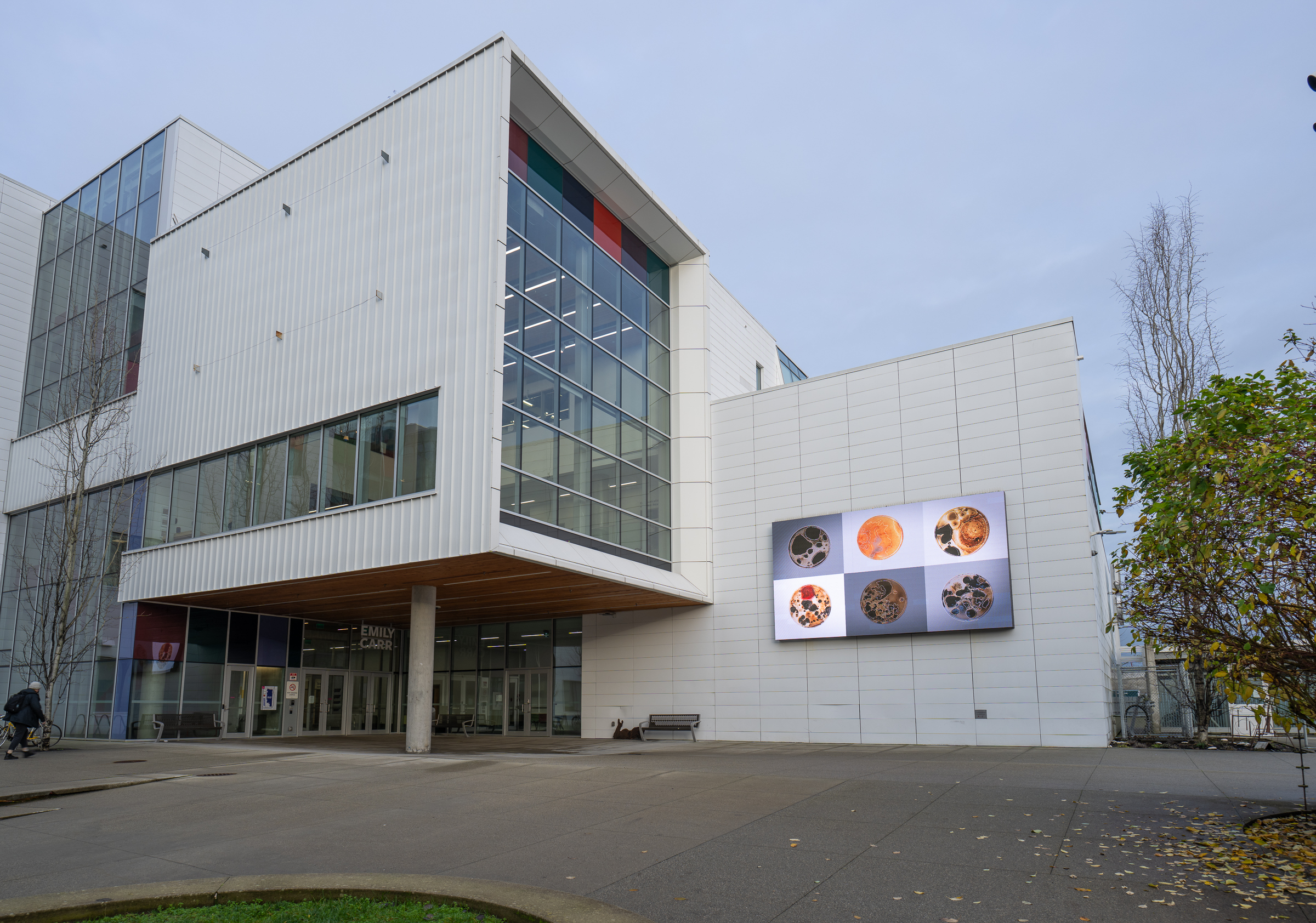
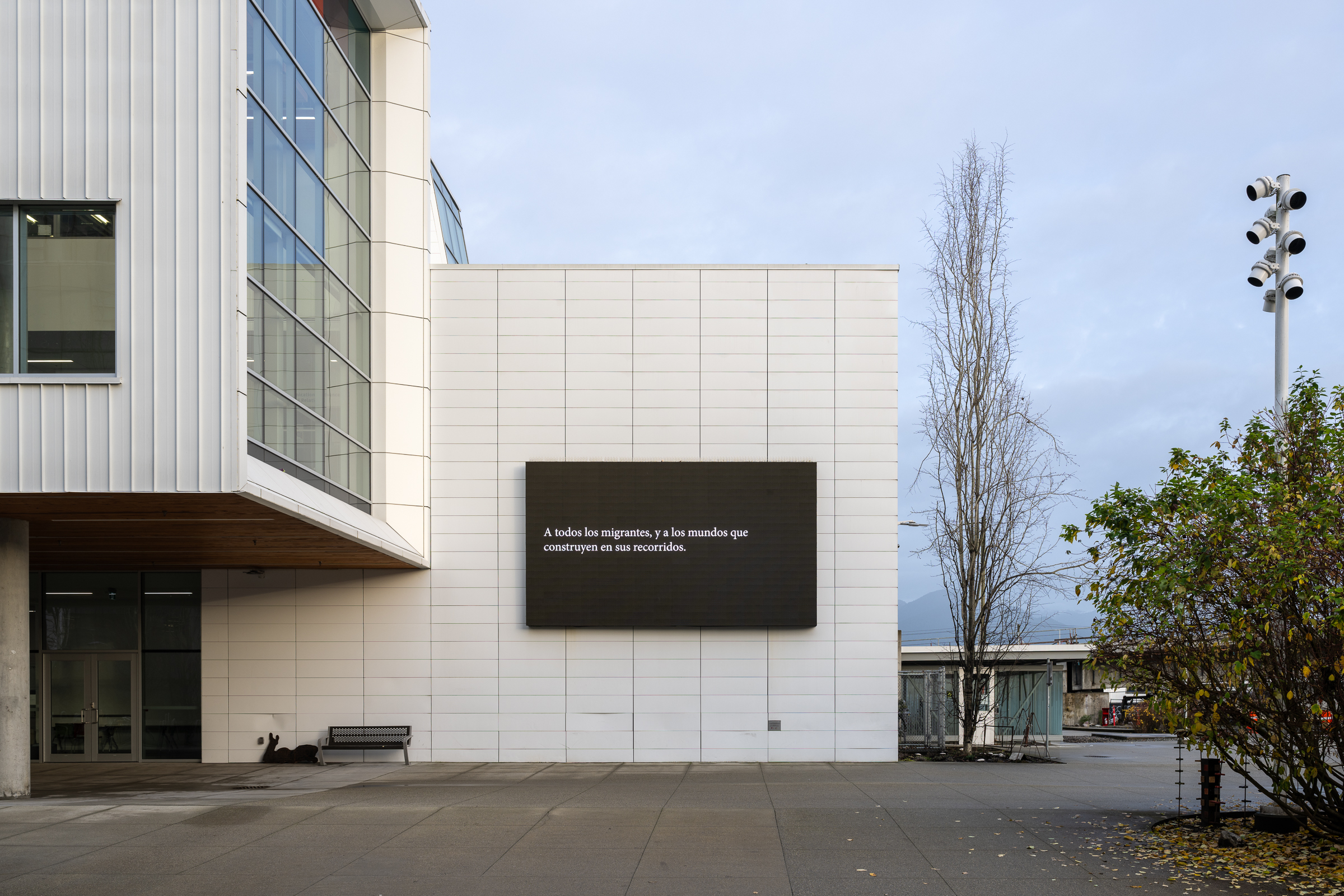
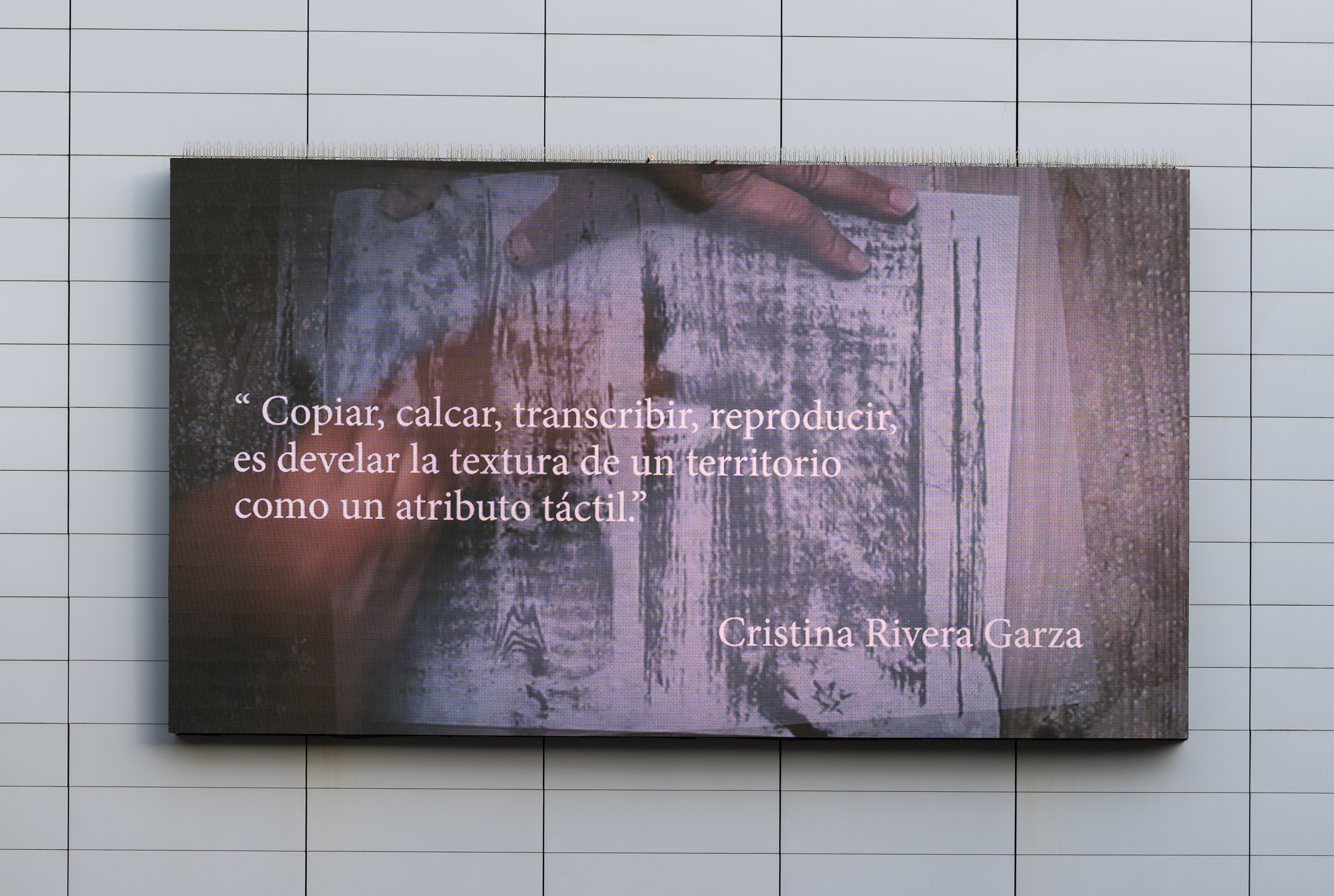
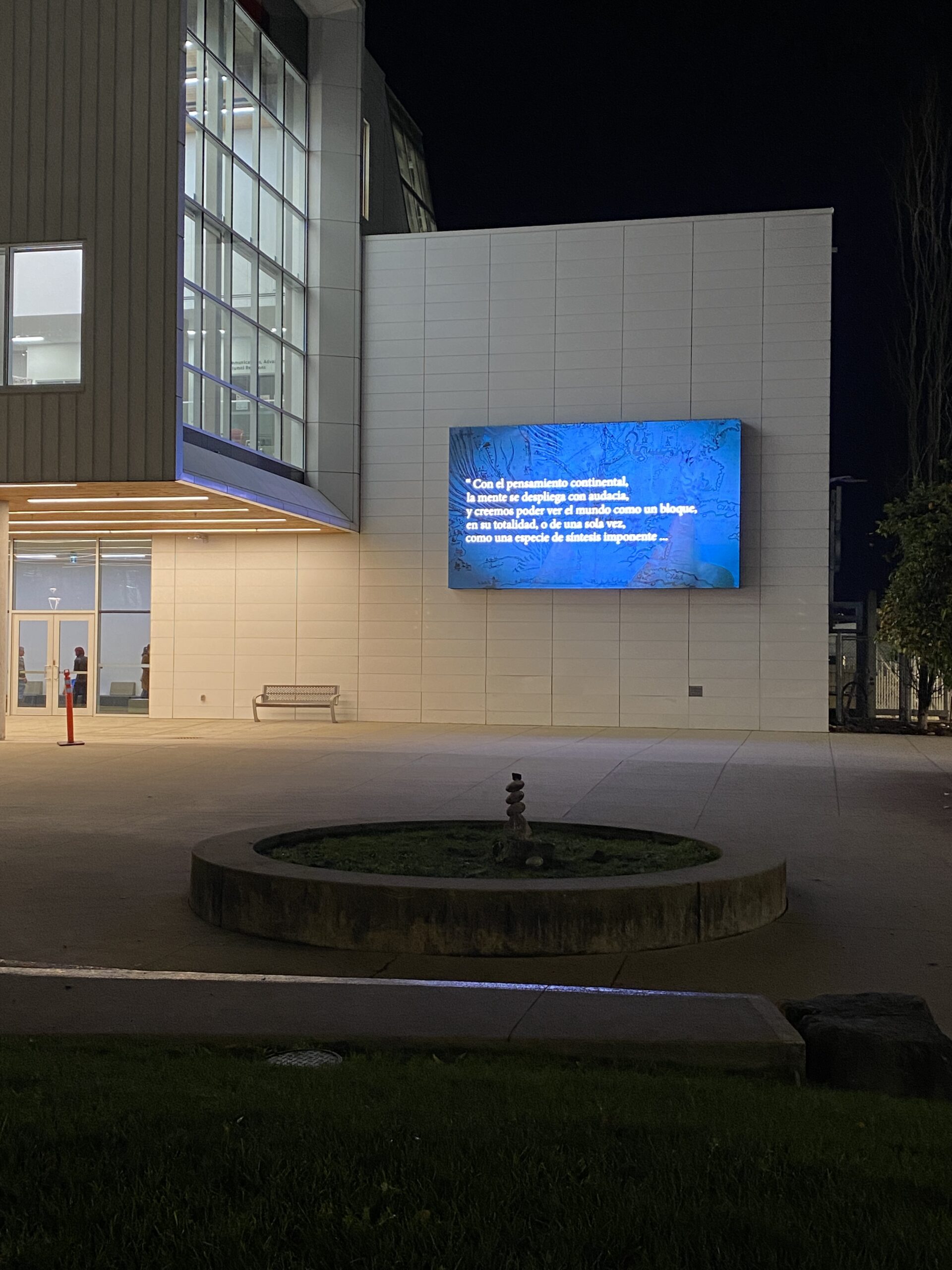
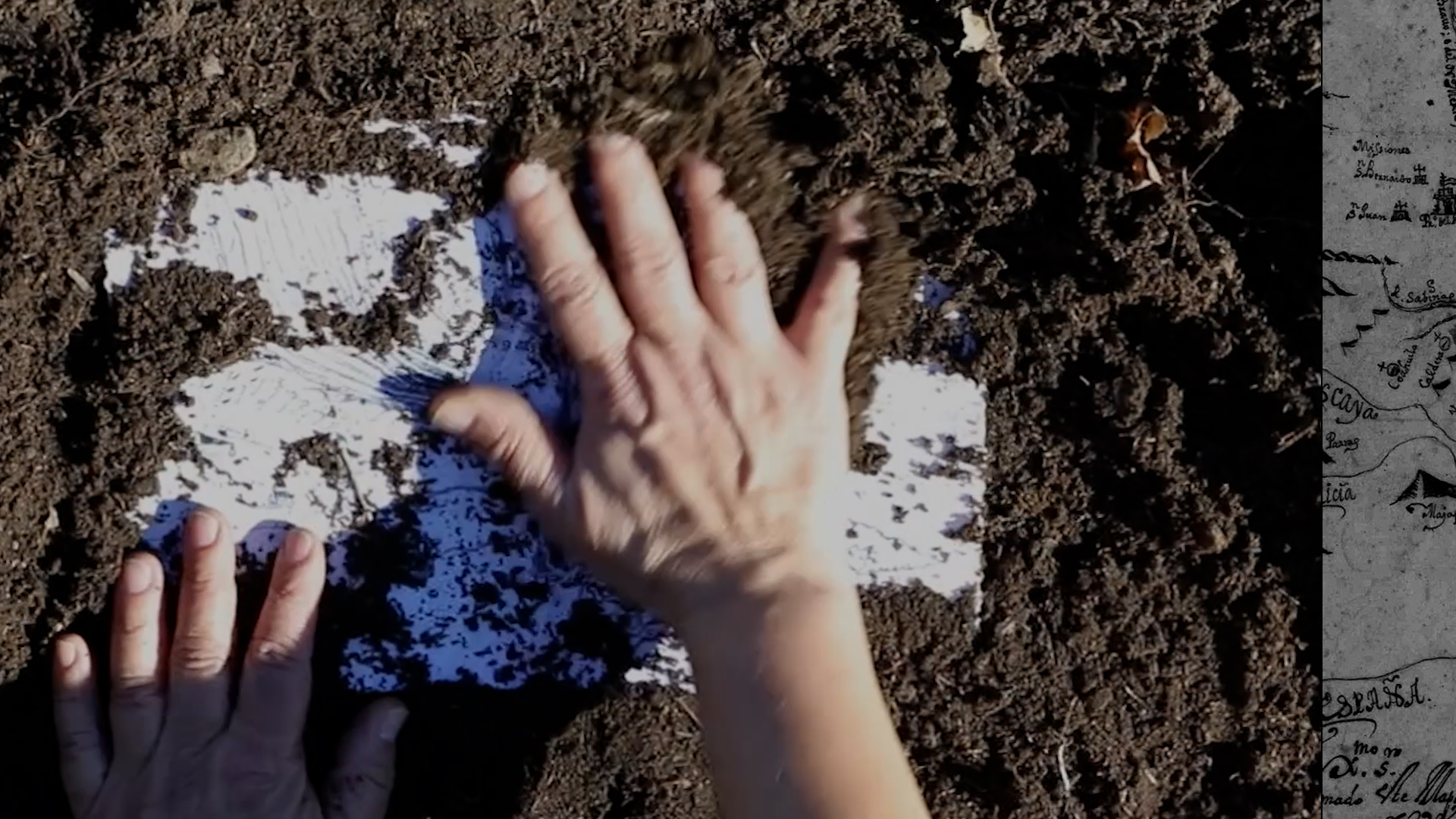
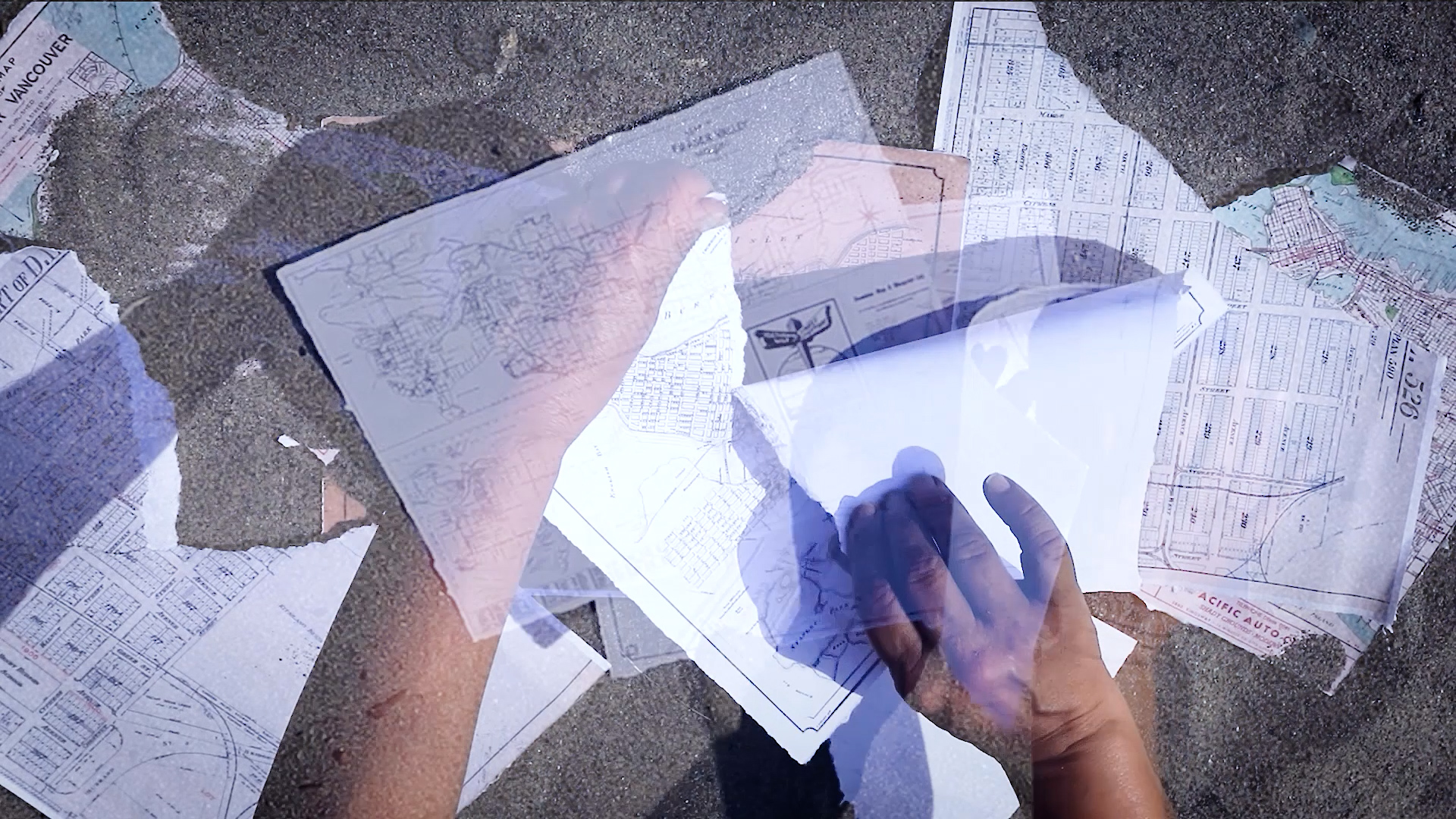
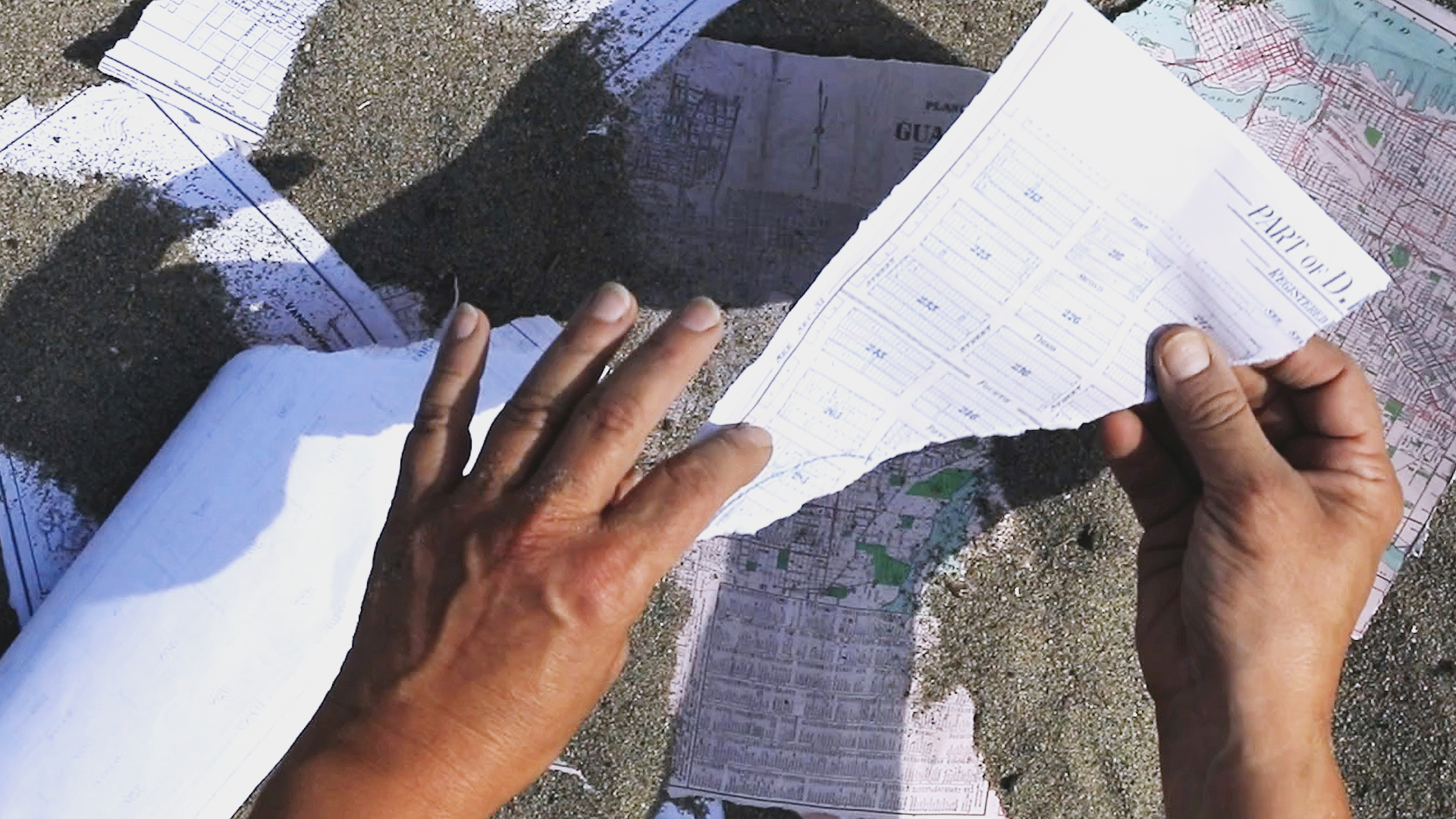
Diasporic Worldings is an experimental video that explores the experiences of people in the diaspora as they form and imagine relationships with land, place, territories, and ecosystems. It employs the term “diasporic” as an adjective to describe individuals who belong to a diaspora due to either forced or voluntary migration, and “worlding” as a creative process where “worlds” emerge through ongoing engagement and interconnections with humans and more-than-humans. Inspired by Martinican philosopher Édouard Glissant’s distinction between archipelagic thinking as fragmentary and intuitive and continental thinking as all-encompassing and systematic, and Mexican writer Cristina Rivera Garza’s use of frottage drawing as a mnemonic technique to recover an embodied connection to place, the video features actions performed on camera and images involving different approaches to map-making. The video reflects on how we have thought about, created, and imposed models of worlds onto others and ourselves through mapping techniques. It was filmed in locations where I have an embodied and historical connection to land, place, and territory — including areas in and around Guadalajara, Mexico, and the unceded territories of the Coast Salish peoples, otherwise known as Vancouver.
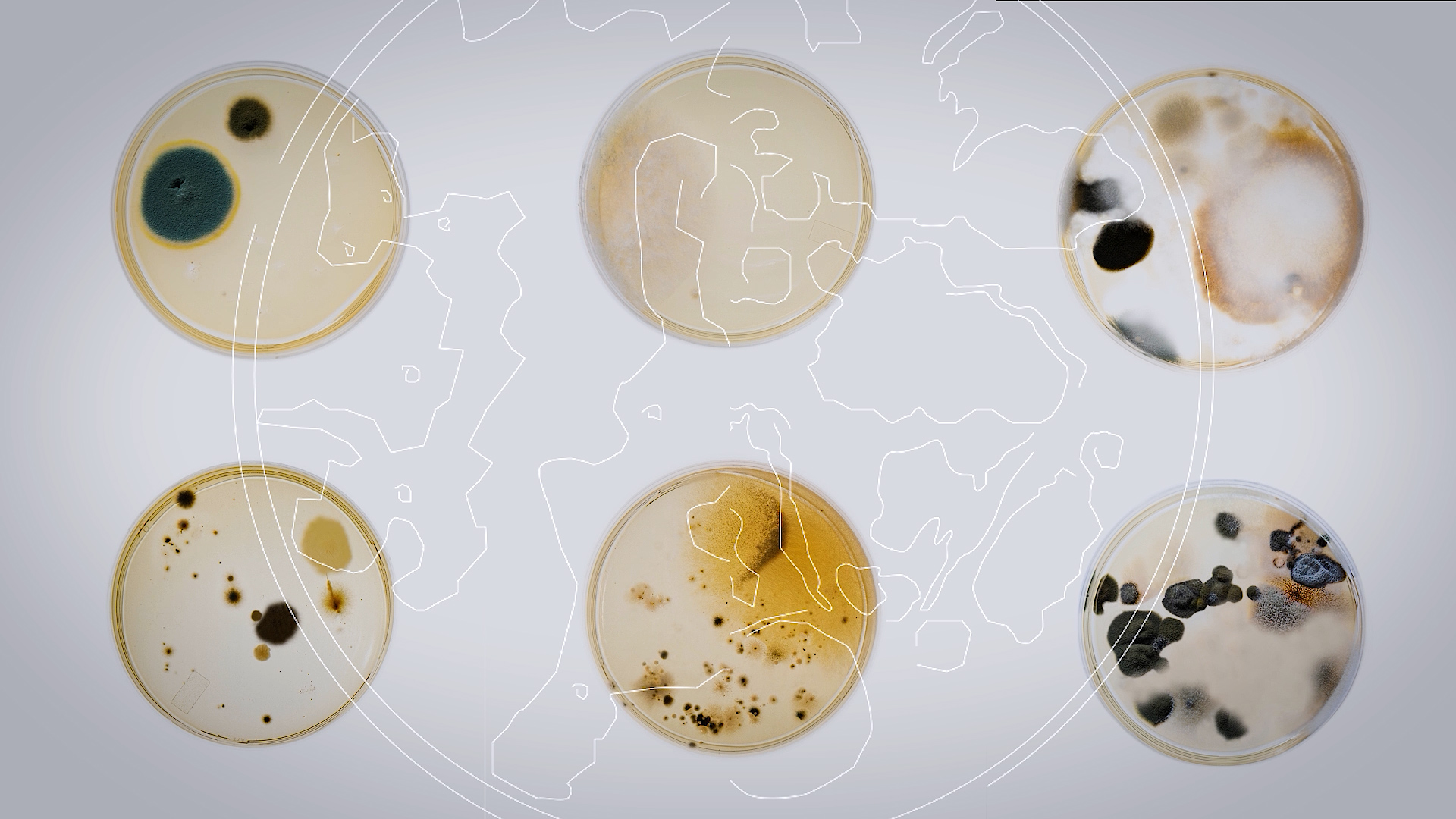
It incorporates historical maps and the process of culturing bacteria from domestic places, bodies, objects, landscapes, animals, and plants within these territories. From Guadalajara and Zapopan, I grew bacteria from cempasuchiles and dahlias, as well as from the soles of the shoes I wore while I was there. In Vancouver, I grew bacteria from maples and oak trees, as well as from the moss at the entrance of my house and from the shoes I wear while walking around my neighbourhood.
The video was commissioned by the The Libby Leshgold Gallery and was on view at their outdoor screen from November, 2025 to February 2026.
Credits & Acknowledgements:
Thanks to the support of:
The Libby Leshgold Gallery, Emily Carr University, featuring Ruth Mandujano López, Sarah Shamash, Peter Rauscher, and Cecilia Valencia Sandoval.